
Instagram has quietly turned into a search engine, and most business accounts are invisible on it. The content usually isn’t the problem. The problem is that they still write captions like it’s 2021, dump 30 hashtags underneath, and call that a strategy. Since mid-2025, Instagram SEO runs on semantic, intent-based signals. If you haven’t adjusted, you’re talking to a room where nobody new can hear you.
This post covers what changed, which signals matter now, and the specific tweaks that are getting accounts real discoverability gains in 2-4 weeks.
How Instagram SEO actually works now
Instagram’s search ranking used to lean on follower counts and engagement pods. Now it works more like a search engine, matching user queries to content based on relevance signals across captions, alt text, bios, and hashtags. Adam Mosseri confirmed in late 2024 that Instagram was investing heavily in its internal search product. By mid-2025, the change showed up for anyone watching their analytics closely.
Here’s what the algorithm weighs now:
- Keyword relevance: Does your content match what the person typed?
- Engagement quality: Saves and shares count for more than likes.
- Freshness: Newer content gets a discoverability boost for new queries.
- Profile authority: A complete, keyword-optimized bio helps your posts rank for related terms.
The part most people miss: Instagram isn’t only searching captions. It reads your image alt text too. More on that below.
The 125-character rule for Instagram search optimization
The first 125 characters of your caption are what Instagram surfaces in search results before the “more” truncation. That’s your headline, and the only line a stranger sees first.
Most business captions open with something like “Happy Monday! We’re so excited to share…”, which wastes that space. The algorithm leans on early caption text when it decides whether your post is relevant to a query.
Do this instead: lead with the specific topic or keyword your ideal viewer would search for. If you sell custom ceramics in Portland, skip the vibe. Open with “Handmade ceramic coffee mugs, Portland, here’s the latest batch from the studio.” Front-loaded, specific, searchable.
It doesn’t have to read like a robot wrote it. “Best budget skincare routine for oily skin, I finally found a $12 cleanser that actually works” is a normal human sentence that also happens to rank.
So write your caption opener the way you’d title a YouTube video: clear, specific, and upfront about what the post delivers. That’s how keyword-rich captions on Instagram work, not through stuffing, just intention.
Instagram Google indexing: the change nobody talked about
Here’s the part that caught a lot of creators off guard once word got around: since 2025, public professional account posts on Instagram are indexed by Google by default.
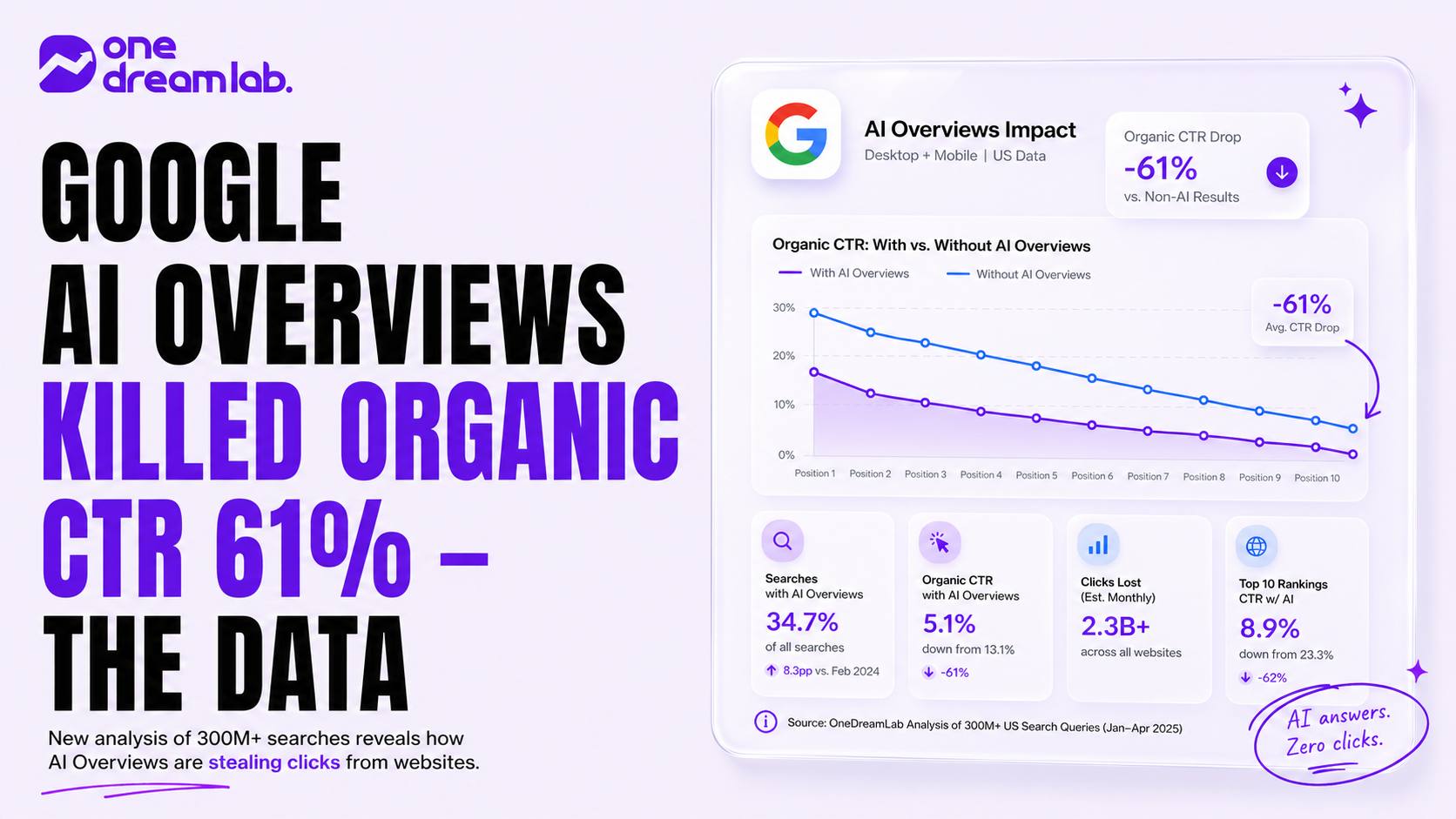
Reels, carousels, image posts: if your account is set to professional and public, Google can crawl it. Your Instagram content can then appear in Google search results, AI Overviews, and image search. Hootsuite’s 2025 Social Media Trends report called social content showing up in Google SERPs one of the most underestimated organic reach opportunities for brands right now.
Instagram Google indexing turns every post into a tiny landing page for search traffic. Someone searching “best natural wine bars in Austin” on Google might land on an Instagram Reel. That’s a new traffic source, and most business accounts haven’t thought about it once.
To use this, your captions need to work like web copy: descriptive, keyword-containing, and written for someone who doesn’t follow you yet or know your brand. That’s a different mindset than writing for followers.
Why your Instagram hashtag strategy 2026 needs a reset
Yes, hashtags still matter. No, using 28 of them isn’t helping you.
Meta’s own guidance, confirmed in early 2025, recommends 3-5 tightly relevant hashtags per post. Go past that and you dilute the signal. The algorithm reads a sprawling hashtag block as spam-adjacent behavior, and the data backs it up: Later.com’s analysis of over 11 million posts found that posts with 3-5 hashtags consistently beat posts with 20+ on reach to non-followers.
The Instagram hashtag strategy 2026 that works looks different. Instead of mixing massive tags (#photography, 900M posts), medium ones, and micro ones, pick 3-5 that are:
- Specific to the exact topic of that post
- Actually searched by the audience you want to reach
- Niche enough that you could realistically rank in them
A skincare brand posting about retinol moisturizer should use #retinolroutine, #skincarescience, and #moisturizerforsensitiveskin instead of #beauty, #skincare, and #glow. The first set is the difference between being buried in a category with 900 million posts and showing up on the first page of a specific query someone actually typed.
The best hashtag is one that a person with a specific problem actually types, not the one that makes you feel like you’re part of a community.
Alt text is Instagram’s most overlooked SEO signal
Almost no business account uses this. It isn’t hidden. It’s just overlooked.
Every image and video you post on Instagram lets you write custom alt text before publishing. It sits under Advanced Settings and takes 30 seconds. Instagram uses alt text for accessibility, and it also uses it as a ranking signal for in-app search discoverability. The default auto-generated alt text Instagram writes is generic garbage. “Image may contain: person, outdoor, smiling” tells the algorithm nothing.
Custom Instagram alt text SEO lets you describe the image with actual keywords. A restaurant posting a pasta dish should write: “Handmade tagliatelle with short rib ragù at [Restaurant Name], Seattle.” That’s searchable, it’s indexed by Google, and it’s free SEO space almost nobody is claiming.
Budget five minutes per post. Write 100-150 characters of specific, descriptive alt text on everything you publish from here on. This one change alone puts you ahead of the vast majority of business accounts.
Building a keyword-rich bio that feeds in-app search discoverability
Your bio is always-on SEO. Unlike posts, it doesn’t age. And Instagram’s algorithm leans on your bio when it decides which searches should surface your profile.
The mistake most accounts make is writing a bio about who they are instead of what problems they solve. “Portland-based wellness coach | helping women reclaim their energy | DMs open” beats a plain “Wellness coach | Portland | emoji,” but it still isn’t optimized for in-app search discoverability.
Your name field, not your username, is one of the highest-weight fields in Instagram’s search index. If your username is @sarahwellness, your name field could read “Sarah | Hormone Health Coach Portland.” That phrase is searchable. People typing “hormone health coach” can find you from that field alone.
Your bio description should include the primary search term your ideal follower would type, plus a secondary one. Keep it under 150 characters. Don’t waste a line on “building in public” platitudes.
What 2-4 week discoverability gains actually look like
Accounts that made these changes, keyword-first captions, custom alt text, tightened hashtags, name-field optimization, started seeing reach to non-followers climb within 2-4 weeks. That matches what Instagram itself has said about how quickly the algorithm adjusts to new content signals.
This isn’t magic, and it isn’t overnight. But most business accounts start from such a low baseline, posting entirely for existing followers with zero search optimization, that even modest changes show up clearly in Insights. The metric to watch is “Accounts reached – not followers” in your post insights. That number tells you whether new people are finding your content.
One honest caveat: if your niche is brutally competitive and your account is brand new, don’t expect to top the results for broad queries. Instagram search optimization builds authority over time, the same way Google SEO does. The accounts seeing the fastest gains tend to sit in specific, underserved niches where good optimization isn’t yet the norm, which means right now is still a good time to move.
The pre-publish checklist
Before you hit share, run through these five things:
- Do the first 125 characters of the caption contain the specific topic your target viewer would search for?
- Are you using 3-5 niche, relevant hashtags instead of 20+?
- Is your custom alt text written, specific, and keyword-aware?
- Does the post’s subject match a query your target audience actually types?
- If someone found this post on Google with zero prior knowledge of your brand, does it make sense and give them a reason to follow?
Five yeses and you’re doing more than 90% of business accounts on the platform. It’s a low bar, but it’s clearly worth clearing.
Frequently asked questions
What is Instagram SEO and why does it matter for business accounts?
Instagram SEO is the practice of optimizing your profile, captions, alt text, and hashtags so your content surfaces in Instagram’s internal search results, and in Google, since professional accounts are now indexed by default. It matters because the algorithm now matches posts to queries based on relevance signals, not just follower count. Accounts that ignore this stay visible only to people who already follow them.
How do I write keyword-rich captions for Instagram search?
Put your main keyword or topic in the first 125 characters of your caption, which is what Instagram shows in search results before truncation. Write it the way you’d title a YouTube video: specific, direct, and searchable. Don’t open with greetings or brand pleasantries. The caption opener is your headline, and the algorithm leans on early text when ranking relevance.
Does Instagram alt text actually help with SEO?
Yes. Custom alt text on Instagram posts is a real ranking signal for both in-app search and Google indexing. The default auto-generated alt text is generic and unhelpful. Writing 100-150 characters of specific, keyword-aware alt text (found under Advanced Settings before publishing) is one of the most underused optimizations available to business accounts right now.
How many hashtags should I use on Instagram in 2026?
Meta’s official guidance, confirmed in 2025, recommends 3-5 highly relevant hashtags per post. Using 20+ dilutes your signal and can trigger spam filters. Choose niche-specific tags that your target audience actually searches, not massive generic ones with hundreds of millions of posts. In the current algorithm, specificity beats volume every time.
How long does Instagram SEO take to show results?
Most accounts that apply consistent changes, keyword-first captions, custom alt text, tight hashtags, optimized name field, start seeing measurable increases in reach to non-followers within 2-4 weeks. The metric to track is ‘Accounts reached – not followers’ in your post Insights. Results vary by niche competitiveness and account authority, but the optimization floor for most accounts is very low, so gains tend to appear relatively quickly.

Written by
Bharath VodapallyBharath Vodapally is co-founder of OneDreamLab. He writes about SEO, AI search, paid media, social and growth, drawing on the campaigns the team runs for brands every day. He turns what actually works in the field into practical playbooks you can use.
Comments
Loading comments…